
Reasons to Double Glaze
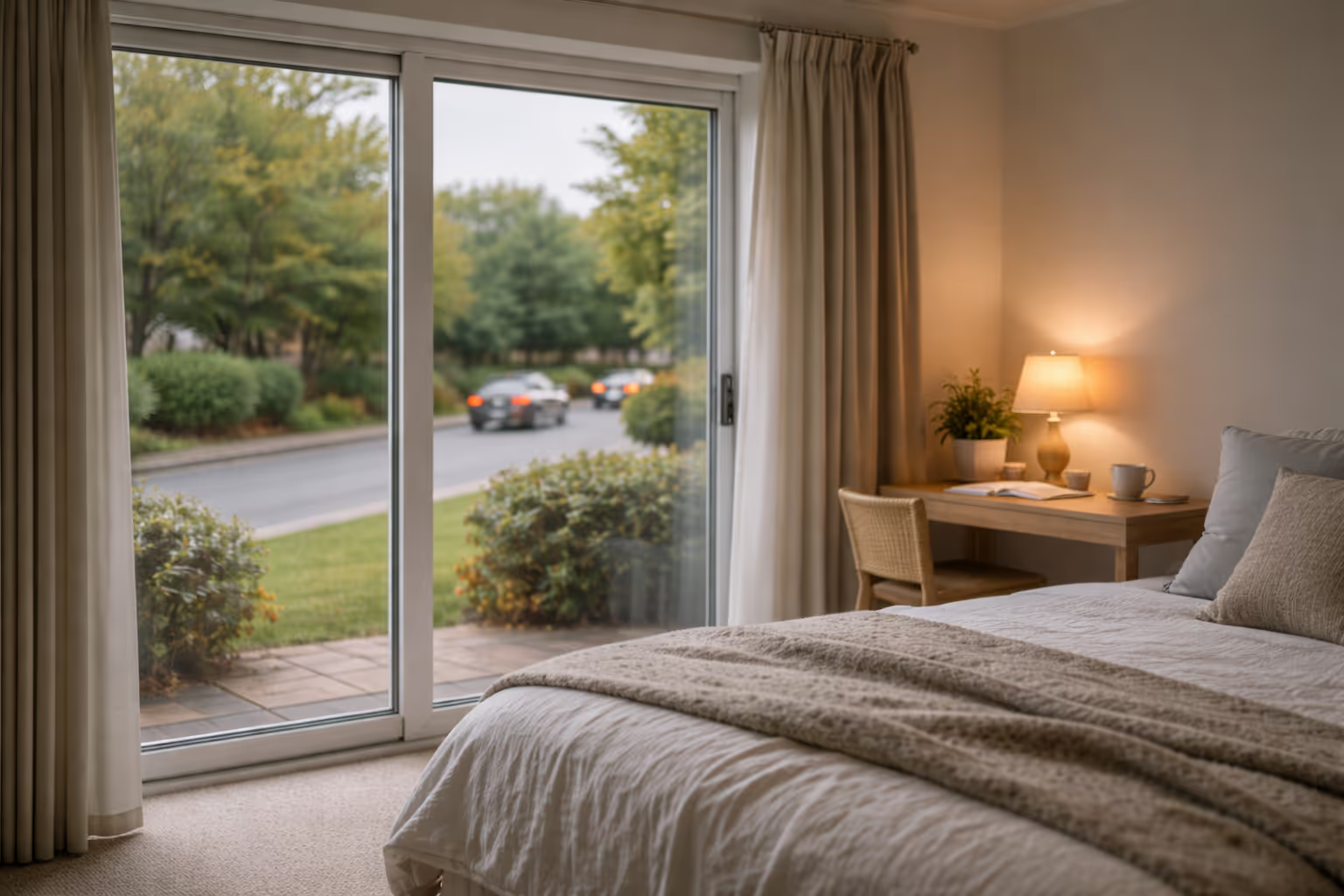
Reasons for upgrading your windows to double glazing -
Reduced Noise
How double glazing helps create quieter, more peaceful NZ homes
Unwanted noise is one of the most common frustrations homeowners mention – traffic, neighbours, early-morning deliveries, or general street noise that seeps inside and disrupts everyday life.
Windows are a major pathway for sound to travel into a home. Research shows that single-glazed windows allow significantly more external noise to pass through compared with modern glazing systems. Double glazing helps reduce that noise, creating calmer, quieter indoor spaces.
Why noise travels so easily through windows
Sound moves as vibrations through air and solid surfaces. Thin materials, like single panes of glass, offer very little resistance to those vibrations.
According to building science guidance, windows are one of the weakest points in a building envelope for sound insulation. In homes with older aluminium joinery and single glazing, outside noise can pass through with very little reduction.
This is especially noticeable in homes:
- Near busy roads or intersections
- Close to schools or commercial areas
- With neighbouring properties nearby
- In bedrooms or living spaces facing the street
How double glazing reduces noise
Double glazing reduces noise by adding mass and separation between the inside and outside of your home.
A standard double-glazed unit is an Insulating Glass Unit (IGU) – two panes of glass separated by a sealed air or gas-filled space. This structure disrupts sound vibrations, reducing the amount of noise that passes through the window.
For higher noise environments, laminated glass can be used. Laminated glass includes a specialised interlayer that absorbs sound energy, offering greater acoustic performance than standard glass.
In simple terms: the more layers and damping involved, the less sound makes it inside.
What difference this makes in real NZ homes
Homeowners who upgrade to double glazing often notice:
- Less traffic and street noise indoors
- Quieter bedrooms, especially at night
- Reduced disturbance from neighbours or nearby activity
- A more peaceful overall living environment
The level of noise reduction depends on the glass specification, window size, and the type of noise outside. For homes in high-traffic or urban areas, laminated glass can make a noticeable difference to everyday comfort.
The importance of glass choice and installation
Not all double glazing provides the same level of noise reduction. Glass thickness, spacing, and whether laminated glass is used all affect acoustic performance.
Ryan Double Glazing uses glass from AGP, manufactured in New Zealand using modern processes and available in configurations suited to acoustic performance. Combined with correct installation, this ensures the glazing performs as intended – not just on paper, but in real homes.
Reduced noise works best as part of a considered solution
Double glazing significantly reduces noise through windows, but total sound control depends on the whole home.
Best results are achieved when double glazing is combined with:
- Well-sealed joinery
- Thoughtful room orientation
- Soft furnishings that absorb sound
- Targeted use of laminated glass where needed
A tailored approach ensures noise reduction where it matters most.
Practical advice from people who understand local conditions
Every home – and every noise source – is different. With decades of experience retrofitting double glazing into existing aluminium windows, we focus on realistic improvements based on where the noise comes from and how the home is used.
If noise is affecting your comfort at home, we’re happy to talk through whether double glazing – and which glass type – is right for your situation.
Common questions about double glazing and noise reduction

My name is Chris, give me a call
I stand by it!