
Reasons to Double Glaze
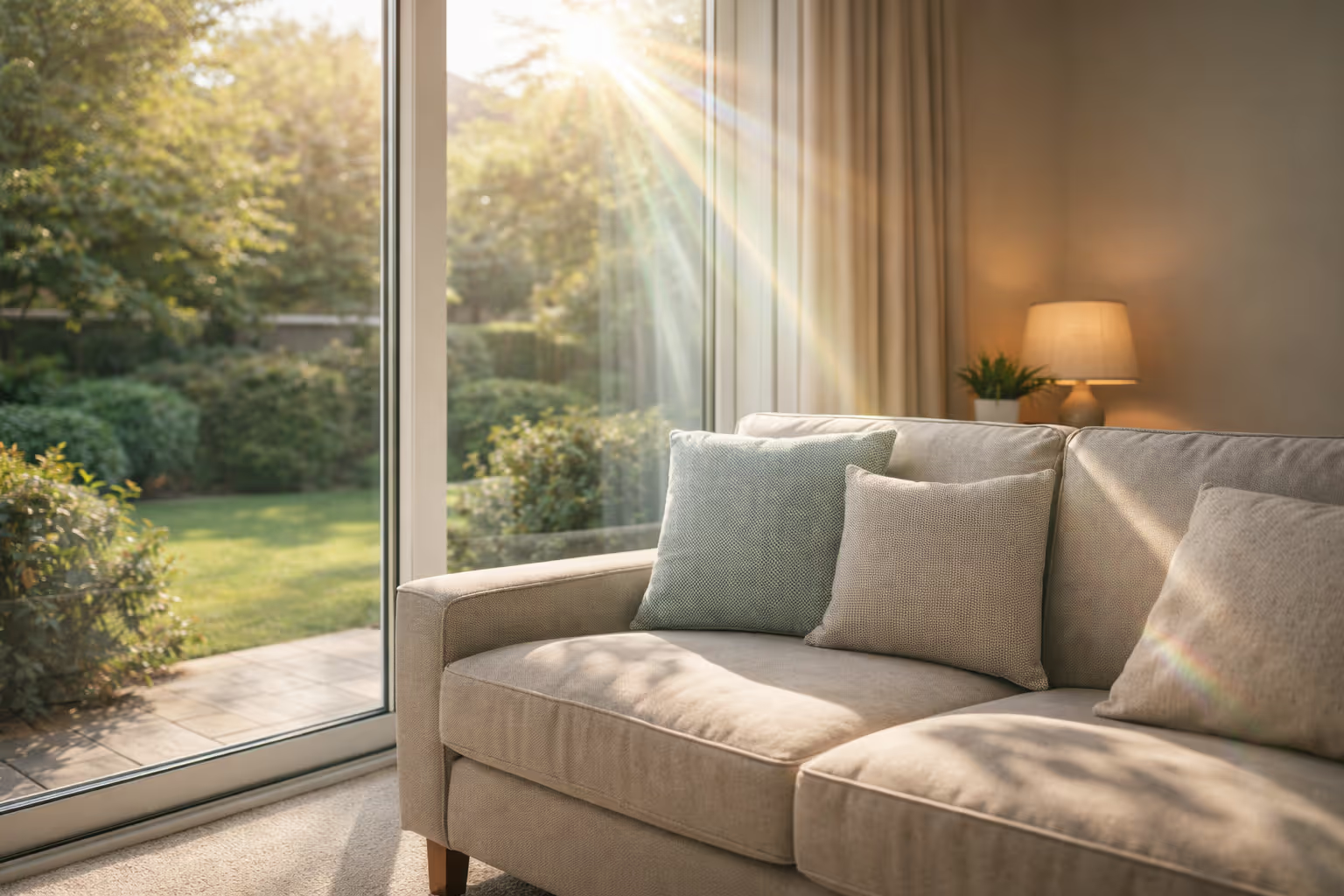
Reasons for upgrading your windows to double glazing -
Reduced UV Radiation
How double glazing helps protect your home, furnishings, and health
Over time, many homeowners notice carpets fading, upholstery losing colour, or timber floors dulling where sunlight hits them most. This damage is often caused by ultraviolet (UV) radiation, a component of sunlight that passes through standard glass.
UV radiation doesn’t just affect furnishings. It’s also known to have damaging effects on skin and eyes with long-term exposure. Double glazing helps reduce the amount of UV light entering your home, protecting both what’s inside it and the people living there.
Why UV radiation is an issue in NZ homes
New Zealand has some of the highest UV levels in the world. Clear skies, thinner atmospheric protection, and our outdoor lifestyle all contribute to increased UV exposure.
Standard single glazing allows a significant portion of UV radiation to pass straight through. According to building science guidance, ordinary glass provides limited protection against UV exposure indoors, which is why fading is often most noticeable near windows and doors.
This exposure builds up gradually, meaning the damage often goes unnoticed until it’s well underway.
How double glazing reduces UV exposure
Double glazing helps reduce UV radiation by using advanced glass coatings and layered construction.
Modern double-glazed units are Insulating Glass Units (IGUs) made up of two panes of glass separated by a sealed air or gas-filled space. When combined with Low-E coatings, these units can reflect and absorb a significant portion of UV rays before they enter the home.
AGP’s Solux-E® Low-E glass is designed to reduce UV transmission while still allowing natural light through. This means interiors stay bright, without the harsh effects that cause fading and degradation over time.
What difference this makes in real NZ homes
Reducing UV exposure helps:
- Slow the fading of carpets, curtains, and upholstery
- Protect timber floors and furniture finishes
- Maintain the appearance of interiors for longer
- Reduce cumulative UV exposure indoors
While double glazing won’t block UV completely, industry data shows that modern Low-E glass significantly reduces UV transmission compared with single glazing, making a noticeable difference over the life of a home.
The role of modern glass manufacturing
Not all glass performs the same when it comes to UV protection. Advances in coatings and manufacturing over the last decade have dramatically improved performance.
Ryan Double Glazing uses glass from AGP, manufactured in New Zealand using modern processes and designed for local conditions. These glass systems are engineered to balance UV protection, thermal performance, and visible light transmission — without darkening interiors or changing the look of your windows.
UV reduction without compromising natural light
One of the common concerns homeowners have is whether UV-reducing glass will make rooms feel darker. Modern Low-E glass is designed to selectively filter harmful radiation while letting visible light pass through.
This means you can enjoy bright, sun-filled rooms while reducing the long-term effects of UV exposure on your home and health.
Practical advice from people who work with glass every day
Every home is different. Window orientation, size, and sun exposure all influence how much UV enters a space. With decades of experience retrofitting double glazing into existing aluminium windows, we focus on specifying the right glass for each situation — not overengineering or unnecessary upgrades.
If fading or sun exposure is a concern in your home, we’re happy to talk through whether UV-reducing double glazing is the right option for you.
Common questions about double glazing and UV

My name is Chris, give me a call
I stand by it!